




How to Choose a Cutting Wheel ?
 Apr 09, 2026|
 A cutting wheel is an abrasive disc that utilizes bonded abrasive grains to rapidly and cleanly remove metal material.
What Types of Cutting Wheels Are Available?
Cutting wheels primarily come in two designs: Type 1 and Type 27. Each type offers unique advantages depending on the specific application; understanding the differences between them can help you select the right wheel for your project.
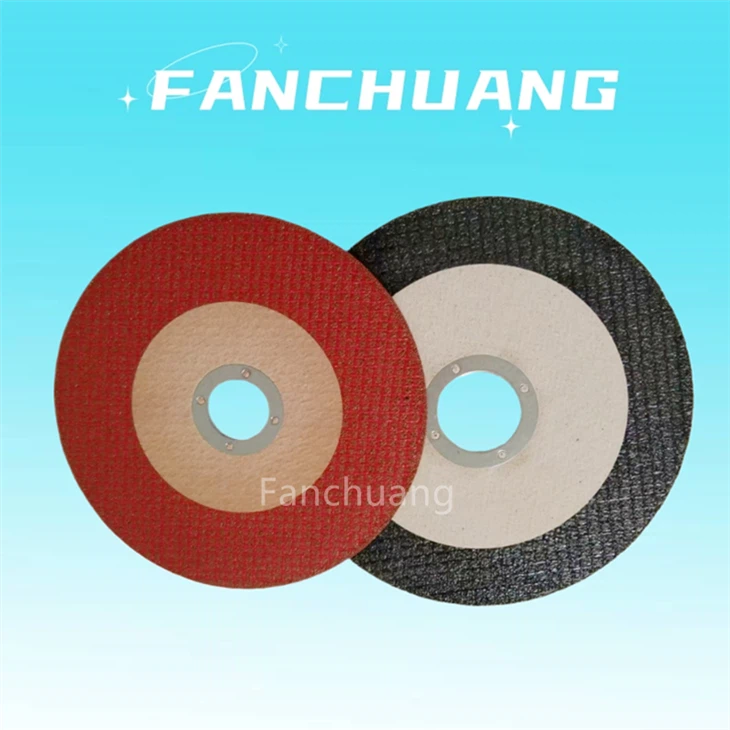
Type 1 Cutting Wheels
Type 1 cutting wheels feature a flat abrasive profile and are designed for operation at a 90-degree working angle. These wheels are ideal for grinding small parts using a die grinder, as well as for working on complex shapes using an angle grinder. Thin-profile Type 1 wheels are particularly well-suited for cutting metal using saws and grinders. Note that the flat profile of Type 1 wheels-and their proximity to the tool's guard-may reduce visibility during operation. However, their high precision makes them an ideal choice for applications requiring sharper, cleaner cuts.
Type 27 Cutting Wheels
Type 27 wheels feature a depressed-center design, which offers a flatter working angle and improved visibility compared to Type 1 wheels. This design also facilitates flush cutting, making it easier to work on pieces that require a smooth, flush surface finish. Designed specifically for use with right-angle grinders, Type 27 wheels are excellent for general-purpose applications where flexibility and clear visibility are essential.
Choosing between a Type 1 and a Type 27 wheel typically depends on the precision requirements of your cutting project and your preferred level of visibility while working.
What Are the Common Abrasive Materials for Cutting Wheels?
The abrasive grains embedded within the cutting wheel are the components that actually perform the cutting; different abrasive materials yield different cutting results depending on the specific material being processed. The following are some of the most common abrasive materials found in cutting wheels:
Ceramic Aluminum Oxide
Renowned for their durability and efficiency, ceramic aluminum oxide abrasives are an ideal choice for working with high-toughness metals such as steel, stainless steel, titanium, and high-nickel alloys. Compared to other abrasives, these grains generate lower cutting temperatures, result in less heat discoloration on the metal surface, and offer a longer service life. They are the perfect choice for demanding applications involving materials such as armored steel or nickel alloys.
Zirconia Alumina
Zirconia alumina abrasives are ideal for cutting steel, iron, and structural metals-particularly for heavy-duty tasks such as cutting railroad rails. These abrasives offer fast cutting speeds, long-lasting performance, and the ability to withstand extremely high pressures, making them highly versatile and capable of meeting the demands of various rigorous applications.
Aluminum Oxide
Aluminum oxide is one of the most commonly used abrasives in cutting wheels. It delivers fast cutting speeds and provides consistent performance across a wide range of materials, including mild steel and other standard metals.
Silicon Carbide
Silicon carbide abrasives are hard and sharp, making them excellent for rapid cutting operations. However, compared to other abrasives, silicon carbide is more brittle; this means its service life may be shorter under extreme conditions. While silicon carbide excels at processing non-ferrous metals, it is best suited for applications where cutting speed is prioritized over durability.
How Does Cutting Wheel Thickness Affect Cutting Performance?
The thickness of a cutting wheel impacts cutting precision, the speed at which a job is completed, and the overall lifespan of the wheel.
Thinner Wheels: Greater Precision
Thin cutting wheels (typically 0.04 inches or 0.045 inches thick) are ideal for precision cutting. They remove less material per cut, generate less heat, and produce clean, crisp cut lines. Ultra-thin cutting wheels are particularly useful for projects where extreme precision is required. It is worth noting that while thinner wheels offer greater precision, they may wear down faster than thicker wheels.
Thicker Wheels: Extended Lifespan
Thicker cutting wheels are more durable and offer a longer service life under demanding conditions. If your project does not require high precision but calls for a long-lasting cutting wheel, a thicker wheel is the better choice.
Finding the right balance between precision and durability is crucial; therefore, please consider the specific requirements of your application before making a purchase.
How to Choose the Right Cutting Wheel for Your Project?
Now that we have covered the basics, the next step is to determine which cutting wheel is best suited for your specific job. Ask yourself the following questions to help guide your decision:
What type of grinder or saw are you using?
The equipment you are using will determine which type of wheel is appropriate: a Type 1 wheel or a Type 27 wheel. Type 1 grinding wheels are generally better suited for die grinders and chop saws, whereas Type 27 grinding wheels pair more effectively with right-angle grinders.
What material will you be cutting?
Different materials require specific abrasives to achieve optimal performance. Ceramic alumina is suitable for difficult-to-grind metals; aluminum oxide is ideal for general-purpose applications; zirconia alumina is designed for heavy-duty cutting; and silicon carbide is best for rapidly cutting non-ferrous metals.
Do you prioritize precision or durability?
Thinner grinding wheels produce cleaner, sharper cuts, while thicker wheels offer a longer service life under continuous use. Depending on your specific application requirements, determine whether precision or longevity is the more critical factor.