




How to Use a Cutting Wheel Safely
 Sep 30, 2025|
 Safety in a manufacturing environment is everyone's responsibility-and cutting wheel safety is especially critical because these abrasives are used on high-speed tools.
When an operator mishandles a cutting wheel or uses a damaged wheel, it can break and throw sharp projectiles at high speeds.
Therefore, it's crucial to monitor the condition of your cutting wheel and follow best practices to ensure safe and efficient use of these products. Here are some safety tips for using cutting wheels.
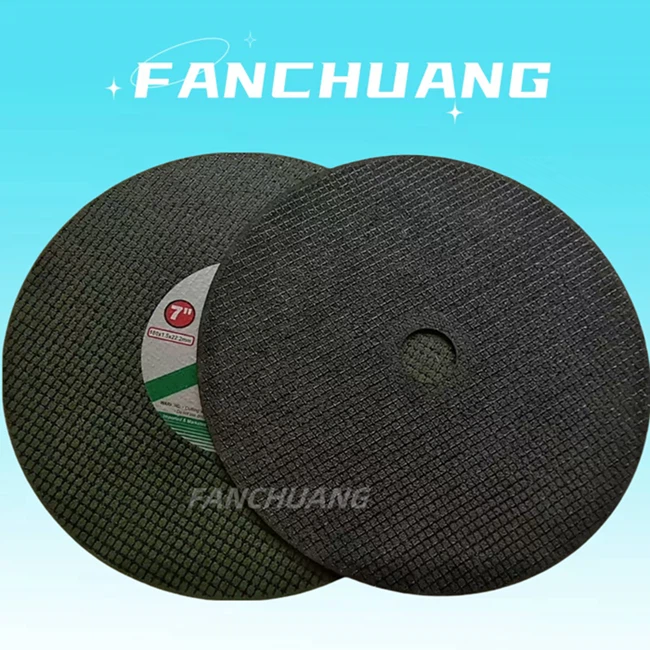
Use the Proper Guard: Installing the proper guard on your tool is crucial for safe cutting wheel use. Right-angle grinders (the tools most commonly used with cutting wheels) are typically equipped with only a Type 27 guard. However, cutting wheels are typically Type 1 wheels, requiring a Type 1 guard, which has a half-moon shape and 180-degree coverage to provide additional operator protection. Using a Type 27 guard with a Type 1 cutting wheel does not provide this additional protection. Even worse is not using a tool guard at all. Always install the proper guard when using a cutting wheel.
Wear necessary personal protective equipment: PPE that should be worn when using a cutting wheel includes safety glasses, a face shield, earmuffs, gloves, flame-retardant clothing, a leather apron, and safety shoes. A hard hat and/or welding helmet can also protect the head from sparks generated during metal cutting.
Perform a visual inspection: Before using a cutting wheel, always visually inspect the wheel and tool. If you notice cracks or other signs of wear or damage, replace the wheel with a new one. Even if the wheel is still attached to the tool, the tool can be dropped or knocked out of the tool holder, so always inspect the tool for damage before use. Also, run the tool at slow speed for a few seconds before use to ensure proper operation.
Properly install the wheel: Most cutting wheels have a stamped metal ring around the hub. When installing the wheel, position the stamped metal ring toward the spindle on the motor side of the tool. This allows for a flush installation, as less grit or chips are present on that side of the wheel.
Secure the workpiece: Ensure the workpiece is securely clamped in a vise or clamp to prevent it from moving, bending, or rolling after the cut begins. If the workpiece moves during cutting, it can twist and pinch the grinding wheel, potentially breaking it.
Do not bend the cutting wheel: Never attempt to bend or twist the cutting wheel to create an arc during cutting. This creates side loads and can cause the cutting wheel to break.
Do not use the cutting wheel for grinding: cutting wheels do not contain fiberglass reinforcement like grinding wheels, so grinding with them can be dangerous. cutting wheels should be used for cutting only. Combination wheels are designed for both cutting and grinding and are marked accordingly.
Do not force the grinding wheel through the cut: The cutting wheel should only bear the weight of the tool as it moves through the cut. Excessive force can cause the wheel to slip and seize. Excessive pressure can also shorten the product life.
For harder materials, use a higher-quality abrasive: Some exotic metals, such as titanium or Inconel, can be difficult to cut. In these cases, choose a cutting wheel with a higher-performance abrasive grit, such as ceramic. This helps you cut more efficiently and reduces the likelihood of glazing the cutting wheel due to overheating.
Be aware of the spark path: Any type of cutting wheel will produce sparks. The spark path may change depending on the cutting method. Always be aware of the spark path and any items or colleagues in the area that could be damaged.