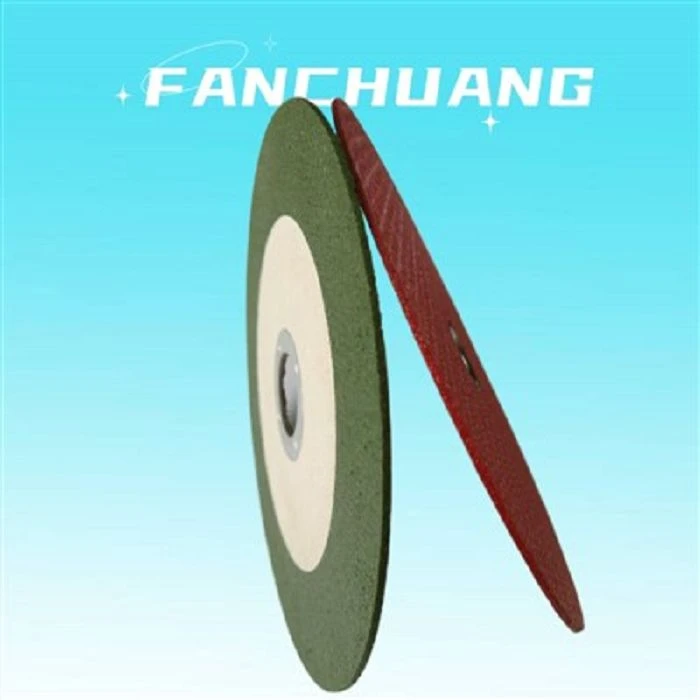
Cutting Blade
Cutting discs are used for cutting through various types of metal and other dense building materials such as metals and plastics for fast and straight cuts. They should be replaced regularly to maintain an efficient cutting edge as well as improve the safety of the user.

- Product Introduction
What is Cutting Blade
Cutting discs are used for cutting through various types of metal and other dense building materials such as metals and plastics for fast and straight cuts. They should be replaced regularly to maintain an efficient cutting edge as well as improve the safety of the user.
Benefits of Cutting Blade
Precision cutting
One of the most notable benefits of a cut-off disc is its precision cutting capabilities. These cut-off discs are engineered to cut through materials with unmatched precision, ensuring a clean cut with minimal material waste. Their slim profile enables intricate cuts, allowing craftsmen to execute complex designs and achieve tight tolerances. Whether shaping intricate metal pieces or cutting delicate workpieces, the precision these cut-off discs offer is unmatched.
Improved surface finish
Achieving a smooth surface finish is critical in many applications, especially in industries such as aerospace, electronics, and medical device manufacturing. Cut-off discs excel in providing a pristine surface finish with their precision cutting and minimal vibration characteristics. The clean cuts produced by these cutting discs require little to no post-processing, saving time and labor costs. Whether deburring sharp edges or preparing parts for surface treatment, the superior surface finish provided by these cutting discs improves the overall quality of the final product.
Improved efficiency
In today's fast-paced industrial environment, efficiency is key to staying competitive. Cut-off discs excel in this area, allowing operators to streamline their workflow and complete tasks in less time. The thin profile of these discs reduces cutting resistance, resulting in smoother operation and faster cutting. This means shorter processing time, higher output, and ultimately increased productivity. Whether in a manufacturing shop, automotive workshop, or construction site, the efficiency gains these discs bring are evident.
Versatility
Another compelling benefit of a cut-off disc is its versatility. Unlike traditional cutting tools that are limited to specific materials or applications, these discs can handle a wide range of materials with ease. They provide excellent cutting performance on a wide range of substrates, from ferrous and nonferrous metals to ceramics and composites. This versatility not only simplifies tool selection, but also increases operational flexibility, allowing craftsmen to tackle different projects without having to use multiple cutting tools.
Reduced heat generation
The heat generated during the cutting process can have adverse effects on the workpiece and cutting tool. Excessive heat can cause material deformation, discoloration, and even structural damage. Cut-off discs address this issue by minimizing heat generation during the cutting process. Their thin profile and efficient material removal reduce friction, reduce the risk of thermal deformation, and ensure the integrity of the workpiece. This is especially important when processing heat-sensitive materials or performing precision machining operations.

Double Mesh Stainless Steel Ultra-thin Resin Disc
Premium-quality resin-bonded abrasive cutting wheels
designed specifically for hand-held right-angle electric grinders
107*16*1.2mm die grinder wheel
black abrasive cuttig disc.

Cutting blade for angle grinder
High quality abrasive tools
Many specification to be chosen
Thin cutting disc double mesh.

China Metal Ring For Resin Grinding And Cutting Wheels
Stainless steel ring for grinding wheel with excellent quality,free of rust; many specifications for your choices.

Resin Bonded Cutting and Grinding Wheels
Resin Bonded Cutting and Grinding Wheels are made of abrasive grains and resin bond for cutting and grinding ordinary steel, stainless steel and non-metallic materials, it is a very important part in modern industry ,it is metaphorized as industrial teeth.
Why Choose Us
Professional team
We have a team of skilled and experienced professionals who are well-versed in the latest technology and industry standards. Our team is dedicated to ensuring that our customers get the best service and support possible.
Competitive prices
We offer our products at competitive prices, making them affordable for our customers. We believe that high-quality products should not come at a premium, and we strive to make our products accessible to all.
Rich experience
Has a long-standing reputation in the industry, which makes it stand out from its competitors. With over many years of experience, they have developed the skills necessary to meet their clients' needs.
Efficient and convenient
The company has established marketing networks around the world to provide high-quality services to customers in an efficient and convenient manner.
Quality assurance
In terms of quality assurance, the company strictly follows the standards and norms of the industry quality system. Adopt industry-leading testing equipment to ensure product quality and good reputation.
Customer satisfaction
Providing after-sales services can enhance customer satisfaction by ensuring that customers' needs are met even after the purchase. This can lead to increased customer loyalty and positive word-of-mouth referrals.
Types of Cutting Discs
Metal cutting discs
Reinforced with fiberglass mesh, these discs are designed specifically for cutting through metal materials such as steel, stainless steel, and aluminum.
Stone cutting discs
Formulated with abrasive materials suitable for cutting through hard surfaces like concrete, brick, and stone.
Diamond cutting discs
Utilize diamond particles bonded to the cutting edge, offering exceptional durability and precision for cutting tough materials like ceramic, glass, and porcelain.
Multi-purpose cutting discs
Versatile discs suitable for cutting through a variety of materials, providing convenience and flexibility in various applications.
Is There a Practical Difference Between Cutting Disc Standard Sizes
Yes, definitely. On the one hand, there is simple utility – a smaller disc does not extend very far form the axle driving the disk itself, and therefore cannot cut as deeply into a material as a larger cutting disc. If you need to cut, say, a 3 inch concrete paver, you would have difficulty using a 115mm (4.5 inch) cutting disc, as it barely extends 50mm (2 inches) from the cutter. A 180mm (7 inch) disc could do the entire cut in a single pass.
Conversely, using too large a cutting disc can be awkward, inconvenient or even dangerous. If you only need to cut a 2mm aluminium panel, a 115mm (4.5 inch) cutting disc is plenty, even if your cutter could mount a 180mm (7 inch) disc.
A final consideration is the torque required to drive the cutting disc – many smaller cutters and grinders are physically capable of mounting 150mm (6 inch) or even 180mm (7 inch) discs, but might not be able to supply enough torque to get the cutting disc up to full speed or to maintain that full speed when cutting hard materials. A slower spin can lead to a slower cut, or worse a messier one. In general, it is advisable to use the smallest cutting disk that will work for any given job, unless you have a very large cutter.
Metal cutting
Cut-off discs are frequently used to cut through various metals, including steel, aluminum, brass, and copper. They are valuable tools for metalworking, construction, and automotive applications.
Masonry cutting
Cut-off discs can be used to cut through concrete, stone, and other masonry materials. They are handy for tasks like cutting bricks, tiles, and concrete blocks.
Woodworking
While primarily designed for cutting metal and masonry, some cut-off discs can be used for cutting wood when equipped with a suitable angle grinder. However, specialized saw blades are often more appropriate for woodcutting tasks.
Plastic cutting
Cut-off discs can effectively cut through plastic materials, such as PVC pipes or plastic sheets. They provide precise and clean cuts in plastic.
Tile cutting
When equipped with a tile cutting attachment, cut-off discs can be used to cut ceramic, porcelain, and glass tiles. This is a common application in the construction and tiling industry.
Rebar cutting
Construction professionals use cut-off discs to cut reinforcement bars (rebar) to the desired length. It is a crucial step in reinforcing concrete structures.
Automotive repair
Cut-off discs are useful for cutting through metal parts during automotive repairs, such as exhaust pipes, rusty bolts, or damaged body panels.
DIY projects
Hobbyists and DIY enthusiasts use cut-off discs for various projects, including sculpture, home improvement, and custom metalwork.
Pipe cutting
Cut-off discs are frequently employed to cut pipes made of metal, plastic, or other materials to specific lengths or to create joints for plumbing and construction purposes.
Welding and fabrication
Welders and fabricators use cut-off discs to shape and trim metal pieces as part of the welding and fabrication process.
Emergency rescue
First responders may use cut-off discs in rescue operations to quickly cut through materials like metal or concrete in emergency situations, such as extricating people from vehicles.
Demolition
In demolition work, cut-off discs can be used to cut through metal and concrete structures, making it easier to dismantle or remove them.
Jewelry making
Jewelers use precision cut-off discs to cut, shape, and refine metal components in the creation of jewelry and other small metalwork.
Correct Installation Method of Cutting Disc
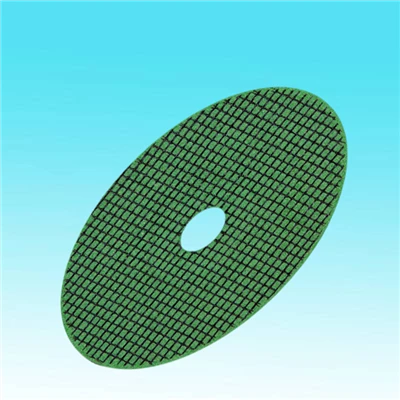
Remove the original cutting disc
First, make sure that the machine is powered off, then remove the original cutting disc and the guide wheel. Be careful to record the position of each small part for future installation.

Clean the mandrel
Clean the mandrel and clean the dust and grease that have accumulated on the mandrel for a long time. Keep the mandrel clean and smooth. This can increase the service life of the cutting disc and prevent accumulated errors during the cutting process.

Install a new cutting disc
Connect the new cutting disc to the mandrel and install the drag wheel. After installing the new cutting disc, adjust its angle and position to ensure that the cutting disc operates normally during cutting. Similarly, pay attention to recording the position of each small part in this step.
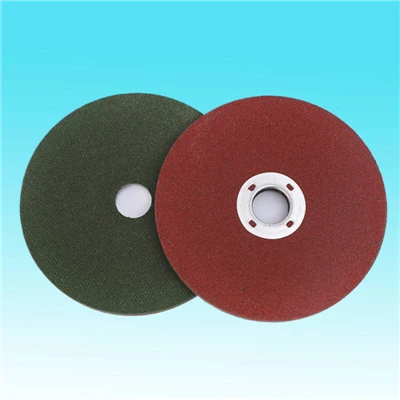
Adjust the angle and position of the cutting disc
After installing the cutting disc, you need to adjust the angle and position of the cutting wheel to ensure normal cutting. It is usually necessary to test run before cutting to check whether there are any abnormalities. If there are any abnormalities, they need to be eliminated in time.
Cutting Discs Market Insights
Cutting Discs Market size was valued at USD 100 Billion in 2023 and is expected to reach USD 150 Billion by the end of 2030 with a CAGR of 10% during the forecast period 2024-2030.
The production, distribution, and use of abrasive tools intended for accurate material removal in a range of industrial and commercial applications are all included in the cutting discs market. Frequently made of abrasive materials like silicon carbide, aluminium oxide, or diamond particles embedded in a resin or ceramic matrix, these discs are vital parts of cutting, grinding, and shaping processes in a variety of industries, including manufacturing, construction, automotive, aerospace, and metal fabrication.
Professional involvement in the cutting discs market entails the creation and distribution of a broad range of disc types designed to meet certain cutting needs. To guarantee the longevity, effectiveness, and safety of their products, manufacturers use cutting-edge technologies and strict quality control procedures. To suit diverse cutting operations, materials, and machinery specifications, these discs are available in a range of diameters, thicknesses, and combinations.
The dynamics of the market are impacted by things like changes in end-user preferences, industry regulations, new developments in materials, and technological improvements. In addition, market players always work to improve the longevity, sustainability, and performance of their products while taking changing consumer demands and environmental issues into account.
How to Use Cutting Disc with Right Way
Wear protective gear
Before using a cutting disc, make sure to wear the proper protective gear. This includes safety glasses, gloves, and long-sleeved clothing. The gear will shield you from flying debris and prevent injuries.
Choose the right disc
Different cutting discs are used for different materials. Use the disc that is appropriate for the material you're cutting. For example, a metal cutting disc won't be effective on concrete, so make sure to use the correct disc.
Check the disc before use
Inspect the cut-off wheel before using it. Look for any cracks, chips, or other signs of damage. Using a damaged disc can cause it to break apart and hurt you. If the disc is damaged, replace it with a new one.
Secure the workpiece
Make sure that the workpiece is securely held in place before attempting to cut. This will ensure that the material doesn't move or wobble during the cutting process, which can damage the workpiece or throw off the cutting wheel.
Use proper cutting technique
Hold the cutting disc at a 90-degree angle to the workpiece. Apply gentle pressure to the material while cutting, letting the disc do the work. Allow the disc to cool down after a few cuts, so it doesn't overheat and become less effective.
Turn off the disc before stopping
After you've completed the cut, turn off the disc before releasing any pressure. This will prevent the disc from spinning out of control and causing damage or injury.
Our Factory
Zhengzhou Fanchuang Science and Technology Co., Ltd. is located in Zhengzhou City, Henan Province-the center of China's abrasive and grinding industrial. We are manufacturer of abrasive and grinding wheels. More than ten years development, we have gradually established various production to cover abrasive and grinding industrial. We have reached a leading level in the industry in terms of the quality of related raw and auxiliary materials, the processing efficiency of machine equipment, and the rationality of production processes, Our company is not only an approved supplier of well-known domestic abrasive tool manufacturers, but also has established cooperation with world-renowned abrasive tool companies in the Middle East and Southeast Asia. With stable product quality, timely supply, and technical support, we have received comprehensive praise from customers.

FAQ
Hot Tags: cutting blade, China cutting blade manufacturers, suppliers, high rotation backing plate, white corundum, black paper net, white fused alumina oxide, active filler material, backing plate material