




Brown Fused Alumina Practical Guide: Properties, Production, and Applications
 Dec 31, 2025|
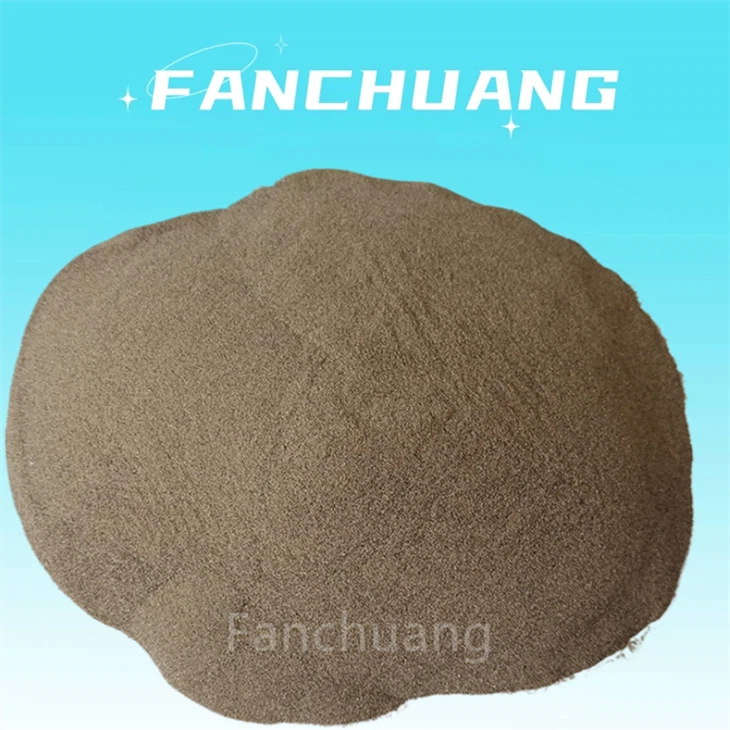
 Brown fused alumina is an abrasive produced by melting bauxite with other materials in an electric arc furnace. It is a tough and durable material widely used in various industrial sectors.
Properties of Brown Fused Alumina
Brown fused alumina possesses a variety of properties that make it ideal for various industrial applications. These properties include high hardness, high toughness, chemical stability, and low thermal conductivity.
Production of Brown Fused Alumina
Production Process: Brown fused alumina is produced by melting bauxite with other materials in an electric arc furnace. This process generates a high-temperature reaction, causing the bauxite and other materials to melt together to form an abrasive.
Raw Materials Used
The main raw material for producing brown fused alumina is bauxite, a mineral whose primary component is aluminum hydroxide. Other raw materials that can be used in the production process include coal, iron filings, and sawdust.
Quality Control Measures
To ensure the quality of brown fused alumina, several quality control measures are implemented during the production process. These measures include monitoring furnace temperature and pressure, testing the chemical composition of the materials, and inspecting the size and shape of the particles.
Applications of Brown Fused Alumina
Brown fused alumina abrasive
is a commonly used abrasive, widely used in sandblasting, grinding, and cutting. Its high hardness and durability make it ideal for removing surface coatings and for surface treatment before painting or other processes.
Brown fused alumina is also used in the production of refractory materials
which are used as linings for furnaces and other high-temperature equipment. Its high melting point and thermal shock resistance make it ideal for these applications.
Surface Treatment
In addition to its use as an abrasive, brown fused alumina is used for surface treatment in various industries. It can be used to roughen surfaces to improve adhesion, or to clean and prepare surfaces for subsequent processing.
Brown fused alumina also has other wide applications, such as in the production of ceramics, polishing compounds, and welding electrodes.
Advantages of Brown Fused Alumina
Durability and Hardness
Brown fused alumina is a very durable and hard material, capable of withstanding heavy use and repeated impacts without cracking or abrasion.
Chemical Stability:
Brown fused alumina exhibits good chemical stability and is unaffected by acids, alkalis, or other corrosive substances. This makes it an ideal material for harsh environments.
Low Thermal Conductivity: Brown fused alumina has low thermal conductivity, meaning it is not good at transferring heat. This property makes it suitable for applications requiring temperature control, such as the production of refractory materials.
Disadvantages of Brown Fused Alumina:
Environmental Impact: The production of brown fused alumina has an environmental impact because it requires bauxite mining and consumes a significant amount of energy during the process. However, measures can be taken to reduce this impact, such as using recycled materials and improving production efficiency.
Compared to other materials,
brown fused alumina may be more expensive than other abrasives, such as silicon carbide or alumina. However, its durability and long service life make it a cost-effective choice in certain applications.
Types of Brown Fused Alumina:
Classification by Size and Shape: Brown fused alumina is available in a variety of particle sizes and shapes, including angular, blocky, and round. The choice of particle size and shape depends on the specific application.
Classification by Chemical Composition: Brown fused alumina can also be classified according to its chemical composition. Different levels of impurities can affect the material's properties and performance in different applications.
Conclusion: In summary, brown fused alumina is a versatile material with a wide range of industrial applications. Its high hardness, durability and chemical stability make it an ideal choice for the production of abrasives, refractory materials and surface treatment.