




Differences Between White, Black, and Brown Fused Alumina
 Dec 12, 2025|
 Are you looking for the right fused alumina for your project? With a wide variety of fused alumina available in different grades, choosing the right product can be challenging. In this guide, we'll detail the differences between white, black, and brown fused alumina to help you select the right product for your needs.
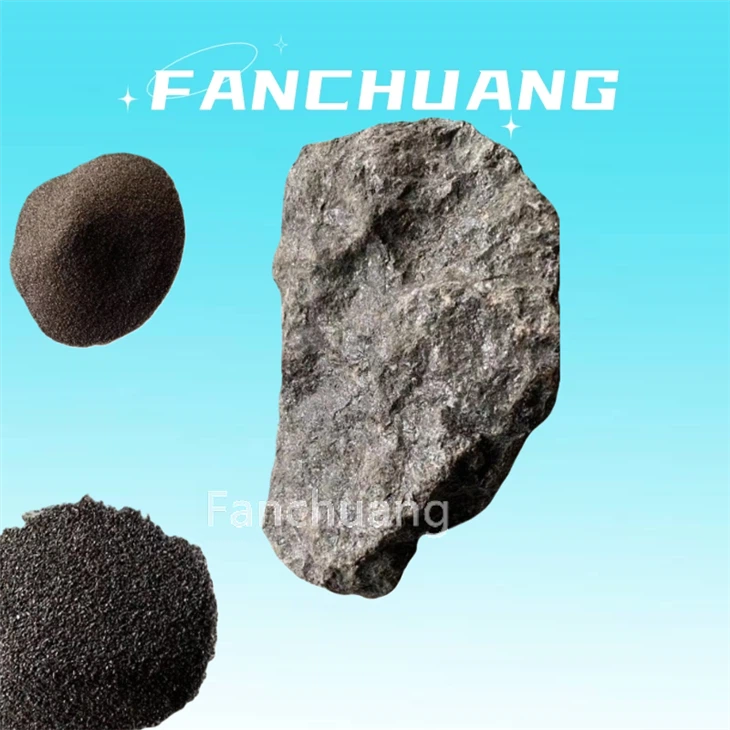
Differences
Color
The most obvious difference between white, black, and brown fused alumina is their color. White fused alumina is white or off-white, black fused alumina is black or dark gray, and brown fused alumina is brown or yellowish-brown. This color difference is due to impurities contained within the alumina before it melts.
Hardness
Another important characteristic of fused alumina is its hardness. White fused alumina has the highest hardness, followed by brown fused alumina, with black fused alumina having the lowest. This makes white fused alumina an ideal material for applications requiring high wear resistance, such as cutting tools and grinding wheels.
Crystal Structure
The crystal structure of fused alumina also varies depending on the type. White fused alumina has a hexagonal crystal structure, while brown fused alumina has a trigonal crystal structure. Black fused alumina has an amorphous structure, meaning it lacks a defined crystalline structure.
Manufacturing Process: The production processes for the three types of fused alumina are essentially the same. First, the alumina undergoes pretreatment to remove impurities, then it is melted at a high temperature. The molten alumina solidifies upon cooling, forming a crystalline structure.
The difference between the three types of fused alumina lies in the types and amounts of impurities in the raw materials.
White fused alumina is made from pure alumina, while brown fused alumina contains impurities such as titanium dioxide and iron oxide. Black fused alumina is made from a mixture of alumina, iron filings, and coal.
Applications: White fused alumina is primarily used in high-performance grinding wheels and cutting tools. It is also used in sandblasting operations and as a refractory material.
Brown fused alumina is used in grinding wheels, sandpaper, and other abrasive products. It is also used in refractories such as furnace linings and kiln furniture.
Black fused alumina is mainly used in sandblasting applications and the production of resin-bonded grinding wheels.
Which one is right for you?
The choice of fused alumina depends on several factors, including the application, the material being processed, and the desired surface finish.
If you require high-purity material for cutting and polishing, white fused alumina is the best choice.
If you need a tougher material for surface treatment, sandblasting, and polishing, then black fused alumina is the right choice.
If you need a material with moderate hardness for grinding, cutting, and polishing, then brown fused alumina is ideal.
The choice of fused alumina depends on the application and desired results. Understanding the differences between white, black, and brown fused alumina will help you choose the product best suited to your needs. Contact us today to learn more about these materials and how they can help your projects.