




Everything You Need to Know About Cut-Off Wheels
 Oct 24, 2025|
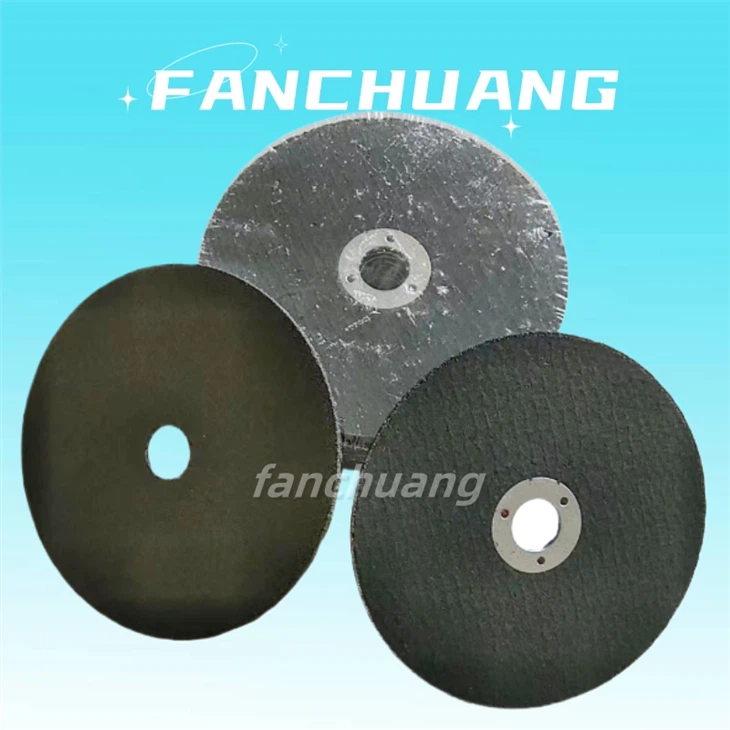
 Cut-off wheels, or cut-off wheels, are bonded abrasive wheels. Made with high-quality (coarse or medium) abrasive grit, they are used for general-purpose cutting of stainless steel, carbon steel, aluminum, and other metals. Cut-off wheels differ in their purpose and construction from grinding wheels.
Cut-off wheels cut small pieces of material at a 90-degree angle, while grinding wheels grind larger pieces at a shallow angle. Therefore, cut-off wheels are much thinner than grinding wheels.
Thin cut-off wheels produce less waste and provide sharp, clean, and precise cuts. Cut-off wheels (aluminum oxide grit, 60 and 46 grit) are suitable for cutting ferrous metals such as steel with minimal burrs.
Using cut-off wheels is a more efficient and effective way to cut common carbon materials, metal alloys, and hardened steel. Cut-off wheels offer many advantages over other cutting tools.
Types of Cut-Off Wheels
Type 1, 27, and right-angle are common cut-off wheel types. Let's take a look at some common cut-off wheels and their uses:
Type 1, or Type 41, is the most efficient flat cut-off wheel. It's typically used for general metal cutting. Type 1 cut-off wheels offer a larger cutting surface and, because they lack a recessed center, interfere less with the workpiece. These cut-off wheels are suitable for angle grinders, die grinders, and chop saws (high-speed or fixed).
Type 27 Cut-Off Wheel
Type 27, or Type 42, is a cut-off wheel with a recessed center. While a recessed center provides more clearance for narrow or tight cuts, it also limits the wheel's cutting force, especially around corners. Type 27 cut-off wheels are best suited for use with right-angle grinders.
Right-Angle Cut-Off Wheel
Right-angle cut-off wheels are versatile cut-off wheels. They can be used to cut concrete, aluminum, steel, tile, stone, angle brackets, metal studs, and other common materials.
Cutting Wheel Applications
Cutting wheels play a vital role in improving efficiency and productivity in the large-scale metalworking industry. These cut-off wheels are designed for a variety of uses, including cutting, grinding, and grooving. Cut-off wheels can be customized to meet the needs and applications of the processing industry.
How to use a cut-off wheel?
How to use a cut-off wheel? Here are important tips for using a cut-off wheel:
Use appropriate protective equipment, such as PPE kit, safety glasses, face shield, gloves, and a dust mask.
Before using the cut-off wheel, inspect it for damage or cracks.
Check the speed of the cutter and do not exceed the maximum speed.
Install the correct flange on the portable cut-off wheel.
Start by running the wheel for one minute without any workpiece attached.
Cover the machine wheel at both ends.
It is best to use the cut-off wheel for cutting purposes only (not for grinding or deburring).
Maintain a 90-degree angle between the workpiece and the cut-off wheel.
Keep body parts and clothing away from the cut-off wheel.
Do not use a damaged wheel guard; replace it as soon as possible.
Handle and store the cut-off wheel properly.
Read the manual instructions before using the cut-off wheel.
How to Choose the Right Cut-Off Wheel
The following are important factors to consider:
Material: Make sure you choose a grinding wheel specifically designed for the material you're working on. This will improve performance and achieve efficient cutting.
Grinding Wheel Thickness: Thickness is a key factor in choosing the right cutting wheel, as it affects the wheel's durability, cutting speed, and accuracy. Thinner grinding wheels are ideal for cutting thin metals like sheet metal because they cut faster and generate less heat. However, they are less durable and more susceptible to damage. Thicker grinding wheels, on the other hand, are ideal for cutting thicker materials like concrete and rebar because they can withstand high pressure. However, they cut more slowly and generate more heat during the cutting process.
Diameter: Diameter also plays a crucial role when choosing a cut-off wheel. Always ensure the cut-off wheel's diameter is compatible with the tool you are using. Diameter also determines the depth of cut. For example, a cut-off wheel with a larger diameter will cut too deep, which is especially important when working with thicker materials.