




How to Choose the Right cutting wheel ?
 Oct 17, 2025|
 Cutting wheel are typically made of abrasive grains bonded together with an organic bond, making them similar to fiber-grinding wheels and used for cutting, grooving, and grinding. They can be used with both portable and stationary tools to cut a variety of materials, including aluminum, plastic, sheet metal, stainless steel, and stone. These cutting wheel are commonly used in grinders, lapping machines, and metal-cutting saws.
Choosing an abrasive wheel for any cutting task, whether high-speed production cutting or precision fine cutting, involves several factors.
Understanding the following information can help you make a selection:
What material are you cutting?
Types of cutting wheel
Safety tips when using cutting wheel
What material are you cutting?
It's important to distinguish the type of material being cut, as each abrasive imparts specific cutting and grinding capabilities to the cutting wheel. First, choose the abrasive for your cutting wheel based on the specific cutting task. The following abrasives are commonly used in cutting wheel:
Aluminum Oxide
Zirconium Corundum
Ceramics
Silicon Carbide
If you're cutting welds, steel, iron, and other materials, aluminum oxide metal-cutting wheels are your best choice. The 60- and 46-grit wheels are ideal for sheet metal with minimal burrs.
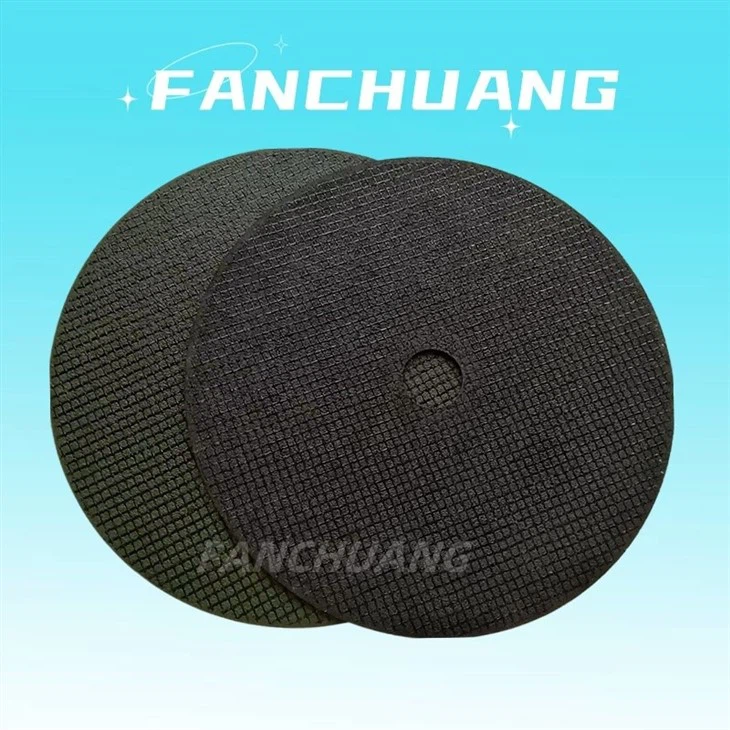
If you're cutting stainless steel, zirconium oxide, a higher-grade abrasive, may be your first choice. It's the best choice for cutting stainless steel and high-strength materials, with high-strength materials being the primary application. Wheel thicknesses are typically 1/16 and 1/32, and grit sizes range from medium (46 grit) to fine (60 grit).
Ceramic cutting wheel are suitable for cutting various stainless steels, high-strength alloys, chrome, and Inconel. One of the key factors in using ceramic cutting wheel is their non-staining nature when cutting stainless steel. They offer a longer wheel life than aluminum and zirconium oxide wheels. If you're on a budget and prioritize performance, ceramic cutting tools will definitely meet your needs.
Silicon carbide is a harder, faster-cutting abrasive than ceramic. It is commonly used for non-ferrous metals and low-pressure applications.
Types of Cutting Wheels
There are many types of cutting wheels, listed below:
Type 41
Type 42
T41 abrasive wheels are flat and primarily used for cutting to achieve maximum cutting depth. The main disadvantage of using Type 1 abrasive wheels is that they are mounted closer to the protective cover, making it difficult to see the object being cut.
T42 abrasive wheels are used for cutting, but can also be used for grinding and grooving because they have a recessed center. This design provides a more solid feel when cutting, enhances operator visibility, and enables flush cutting.
Safety Tips When Using Cutting Wheels
This section focuses on how to ensure the safety of metal cutting wheels when using a cutting machine, so that the operator has a better and more comfortable cutting experience. Below, I will use the operating instructions for cutting wheels on angle grinders as an example:
Before work, always wear labor protection equipment and check that the equipment has a proper grounding connection.
Inspect the cutting machine for integrity and the cutting wheel for cracks or defects. Do not use defective equipment or unqualified cutting wheels. Properly install qualified cutting wheels on angle grinders.
When cutting, avoid excessive force or sudden impact. Immediately turn off the power if any abnormality occurs.
The material being cut must be clamped in a vise. No one person should hold the material, and only one person should cut the material. The person must stand to the side of the grinding wheel when cutting.
When replacing the cutting wheel, wait until the machine has come to a complete stop before carefully inspecting the wheel and confirming that it is correct before replacing it.
Drilling tools and other items must not be placed on the machine frame during operation.
The cutting machine should be placed on a stable surface, away from flammable objects, and the power cord should be connected to a leakage protection device.
Metal cutting wheels for grinding machines should be installed according to requirements and tested to ensure smooth operation before starting work.
The clamping device should be secure and reliable to prevent the workpiece from accidentally loosening.
When cutting, the operator should cut evenly and avoid cutting the front end of the blade to prevent accidents caused by improper operation of the blade. After work, dust the cutter surface and clean the work area. Outdoor storage should be protected from rain.
Choosing the right abrasive wheel for metal cutting often depends on the objectives of the operation. If cutting speed is paramount, some compromise in product life may be necessary, and vice versa.