




Grinding Wheels: Resolving Common Abrasive Tool Issues
 Feb 27, 2026|
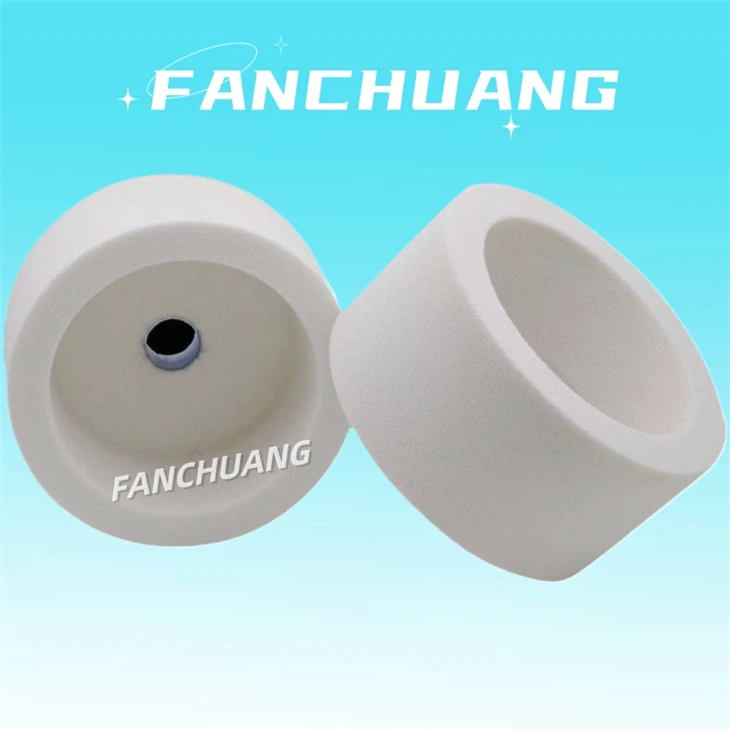
 Grinding wheels are discs made of abrasive grains and bonding materials. They are used to remove a thin layer of material from the surface of various materials to achieve the desired dimensional accuracy and surface finish.
Grinding wheels are designed to be mounted on angle grinders and rotated at high speeds. This rotation allows the abrasive particles on the grinding wheel to efficiently cut or grind hard materials, including steel and metals. These abrasive particles are bonded together by inorganic or organic materials.
Applications of Grinding Wheels
Grinding is commonly used to improve the surface finish of a workpiece or to achieve the required dimensional accuracy. Therefore, almost all workpieces require this crucial step of grinding before the machining process is complete. In the metalworking industry, grinding is often used for finishing jewelry and other complex workpieces, making their surfaces smooth, removing excess material, or polishing rough edges.
Common Problems When Using Angle Grinder Grinding Wheels
No matter how skilled your grinding technique is, you may have encountered situations where the grinding results are not as expected. Here are some common grinding wheel problems and their causes.
Wheel Glazing
Wheel glazing refers to the condition where the cutting edge or surface of the grinding wheel becomes shiny or glossy. Glazing occurs when the grinding wheel's bonding agent is too strong and the wheel is rotated at extremely high speeds, leading to overheating and potentially damaging both the workpiece and the grinding wheel.
Wheel glazing can also be caused by overheating or choosing the wrong wheel type and machining method. This results in an uneven and rough surface. If the wheel is glazed, more power and force are required to remove material, which is time-consuming.
Wheel Chatter
Grinding chatter refers to the vibrations that occur between the workpiece and the grinding wheel during the grinding process. Unlike cracks or discoloration, chatter is not easily visible to the naked eye, which is one of its drawbacks. It is usually only discovered during the part inspection process.
Chatter can be caused by various factors, including the out-of-roundness of the workpiece, unbalanced movement of the grinding wheel, or the interaction between the two.
Wheel Cracks
Another common defect in grinding machines is grinding wheel cracks. Overheating during the grinding process can cause cracks to form on the surface of the workpiece.
This is usually caused by using low-quality grinding wheels, insufficient coolant supply, and excessive material removal rates. Wheel Loaders
Grinding wheel clogging refers to the accumulation of metal particles in the pores of the grinding wheel, which reduces cutting efficiency and leads to wheel failure.
Causes of grinding wheel clogging may include using a grinding wheel with too strong a bond and operating at low speeds, or grinding softer materials. Additionally, using the wrong coolant and making excessively deep cuts can also lead to grinding wheel clogging.
Grinding Wheel Burn or Grinding Burn
When surface heat generation cannot be effectively controlled during processing, the surface hardened layer undergoes tempering; this phenomenon is called "grinding burn." The workpiece surface may harden or be damaged due to the high temperatures generated during grinding. Burning damages the integrity and quality of the workpiece and shortens the lifespan of important grinding machine components. Many factors contribute to grinding burn, such as insufficient coolant and lubricant supply to the grinding area, excessive material removal rate, and improper grinding wheel selection.
Grinding Wheel Troubleshooting
Here are solutions for grinding wheel problems:
Use the right grinding wheel: To avoid glazing on the grinding wheel surface, ensure you are using the correct grinding wheel for the current operation. Consider the size, bond type, and grit size when selecting a grinding wheel.
Use the right lubricant: Using the correct coolant and lubricant also helps prevent glazing on the wheel surface.
Use the correct speed and pressure: Select the appropriate grinding wheel speed and pressure based on the material being cut to prevent overheating. Always follow the manufacturer's speed recommendations.
Maintenance and upkeep: Regularly maintain the grinding wheel. After removing the glazed layer from the grinding wheel surface, the wheel should be sharpened using a diamond dresser.
Inspect the wheel frequently: Regularly inspecting the wheel helps detect wobbling, cracks, or damage.
Grinding wheel alignment: Before using an angle grinder, ensure the grinding wheel is properly installed or aligned. After installing the grinding wheel separately, carefully perform dynamic balancing. After use, stop the coolant circulation to remove residual liquid.
Proper storage: When not in use, old wheels should always be stored vertically in a safe place to prevent liquid accumulation on the lower edge.
Safety Precautions
Strict adherence to safety procedures is essential to prevent these significant hazards. This includes:
Choosing the most suitable grinding wheel for the job
Considering material compatibility
Properly inspecting and maintaining the wheel
Avoiding getting too close to the grinder
Wearing protective equipment
Choosing safe clothing
Tying back long hair
Using safety guards to control debris.
Using respiratory protection and providing adequate ventilation to prevent inhalation of dust and fumes.
Minimizing time spent in noisy and vibrating environments.
Conclusion
While grinding wheels are essential mechanical equipment in many industries, they also have some drawbacks. Users should be aware of potential problems with grinding wheels, including wear, clogging, surface hardening, and overheating. To achieve efficient grinding while ensuring safety, it is crucial to understand these issues and know how to avoid and resolve them.